From Farm to Cup – Part 1: A Journey Through Japan’s Tea Fields
Earlier this year, I finally traveled to Wazuka, a small town in southern Kyoto surrounded by mountains, flowing water, clean air, and rich soil—a tea-growing landscape I had long dreamed of visiting.
Wazuka produces nearly half of all Uji tea, and is deeply rooted in Japan’s tea culture.
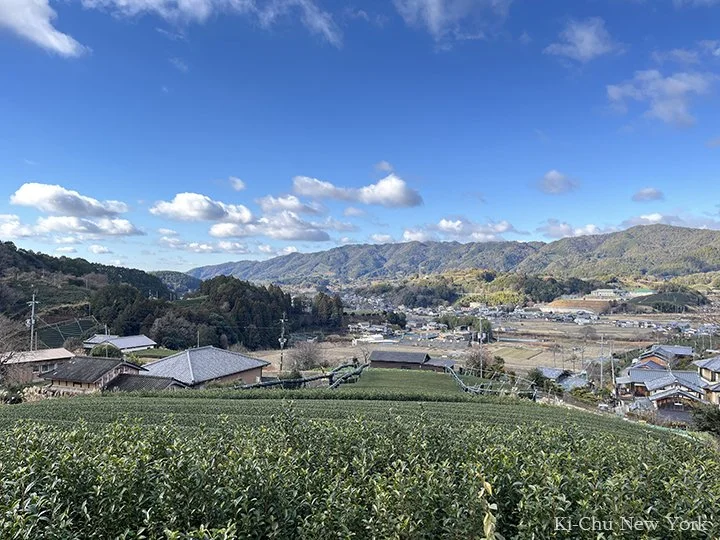
Azuma Tea Garden in Wazuka, Kyoto — where tea fields meet mountains, sky, and quiet time.
Last year, one participant from my matcha workshop shared her strong desire to visit a real tea field. Although I had hoped to experience such a visit myself first, one person immediately came to mind—Mika, a bilingual, certified Japanese tea instructor with deep knowledge and sincere respect for tea culture. I felt confident she would be the right guide, so I introduced her.
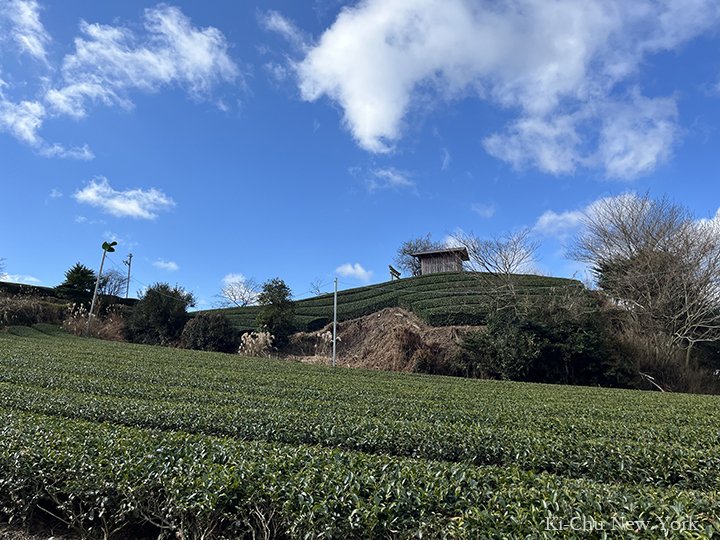
A small Shinto shrine watching over the tea fields at Azuma Tea Garden, Wazuka, Kyoto.
Some time later, one morning, I suddenly wondered how the visit had gone. At that very moment, I received a message from Mika:
“I spent two wonderful days with the person you introduced.
The time in the tea fields was especially meaningful—she was
moved to tears, and I almost cried as well. Thank you for this
beautiful connection.”
I was deeply touched. This is exactly what I wish to share with those who feel drawn to Japanese culture. From that day on, I quietly began to look forward to the moment I could finally visit the tea fields myself.
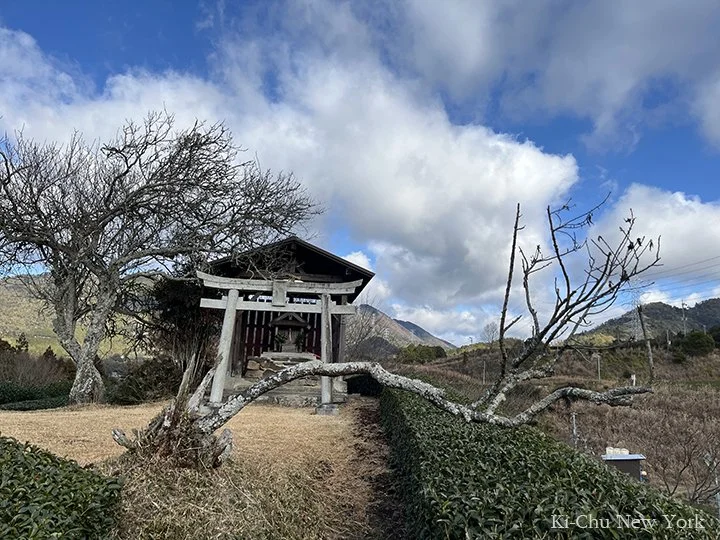
A small Shinto shrine stands quietly above the tea fields. Bending down to pass under the low branch felt like entering a tea room through the nijiriguchi (躙口)—created by nature.
Now, let me return to the story of my own visit. Mika picked us up at Kizu Station and drove us to Azuma Tea Garden, an organic tea farm in Wazuka. During the drive, she shared stories from her conversations with visitors from around the world. It was clear how genuinely she enjoys connecting with people through tea.
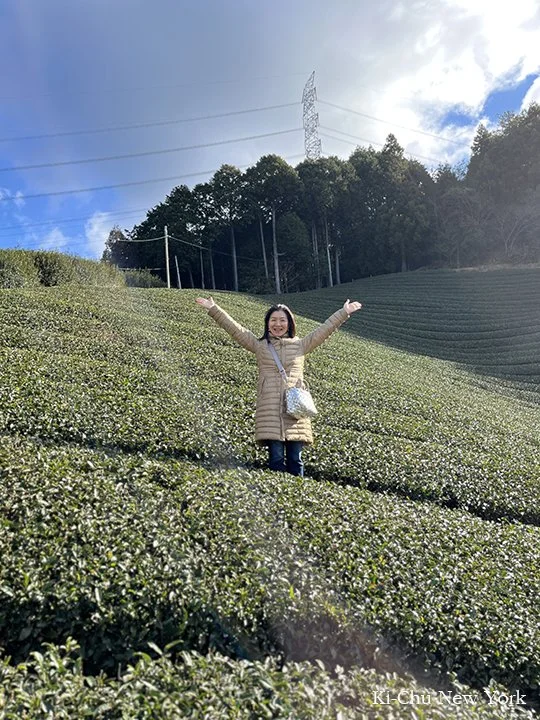
This happiness comes from being surrounded by tea fields at
Azuma Tea Garden, Wazuka, Kyoto.
Owned by the Azuma family, Azuma Tea Garden has been cultivating the finest tea in Wazuka, Kyoto, for four generations.
What makes the garden distinctive is that everything—from growing the tea leaves to producing and selling the tea—is done in-house. The family chooses to grow only organic tea, believing that tea, as a daily drink, should be made with care and without unnecessary chemicals.
Matcha is made from tea leaves grown under shade and harvested with great care. By limiting direct sunlight, the conversion of the umami-rich amino acid theanine into the bitter compound catechin is suppressed, resulting in tea leaves with a mellow umami flavor, vibrant green color, and a distinctive aroma.
After steaming and drying, the leaves become tencha (碾茶), which is then ground into a fine powder. This process requires deep knowledge and precise timing, cultivated through years of experience.
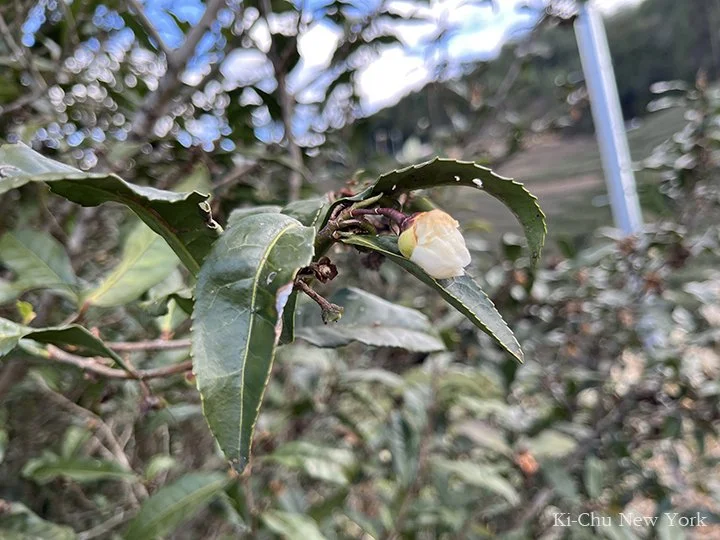
The flower of Camellia sinensis—the tea plant—from which all tea is born.
Today, matcha is experiencing a global boom. However, standing in the tea fields, it becomes clear how much labor, devotion, and history lie behind each harvest.
Tea deserves to reach those who will truly savor it—slowly, with gratitude for the land and the hands that cultivated it.
I brought home two types of matcha and one type of kabusecha*. I haven’t opened them yet, because I find myself waiting for the right moment, hoping to share both the taste and the experience with someone special. Even before the first sip, I feel myself returning to the quiet slopes of Wazuka, taking a deep breath.
If you feel drawn to visiting Azuma Tea Garden with Mika, please feel free to contact me. I have also been quietly preparing a new offering, and this marks the beginning of a journey that invites people into an authentic, lived experience of Japanese culture.
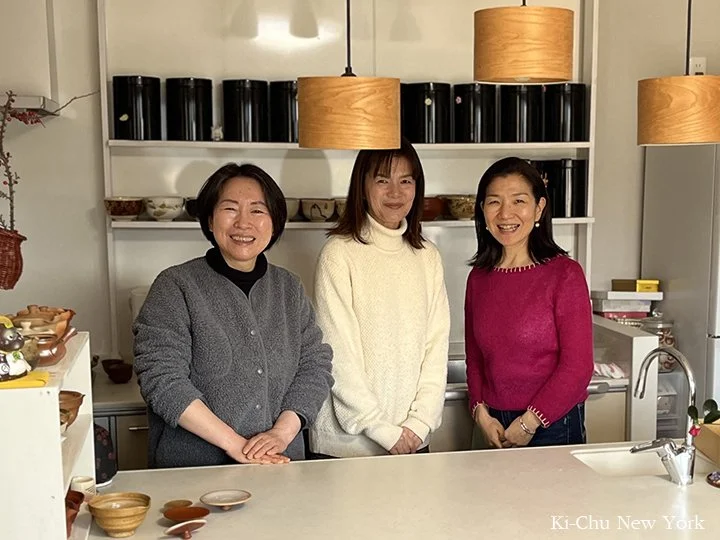
From left: Teruko of Azuma Tea Garden, Mika, a certified tea instructor, and me.
*Kabusecha* is a tea grown under partial shade, somewhere between sencha and matcha. Its gentle sweetness and soft umami reflect a quieter, more everyday expression of the tea fields.